
Test the system
Check the float, pump, check valve, power, and discharge.
Noise, short cycling, corrosion, a stuck float, or a pump that runs without clearing the pit are all reasons to have the entire setup checked instead of swapping only the motor.
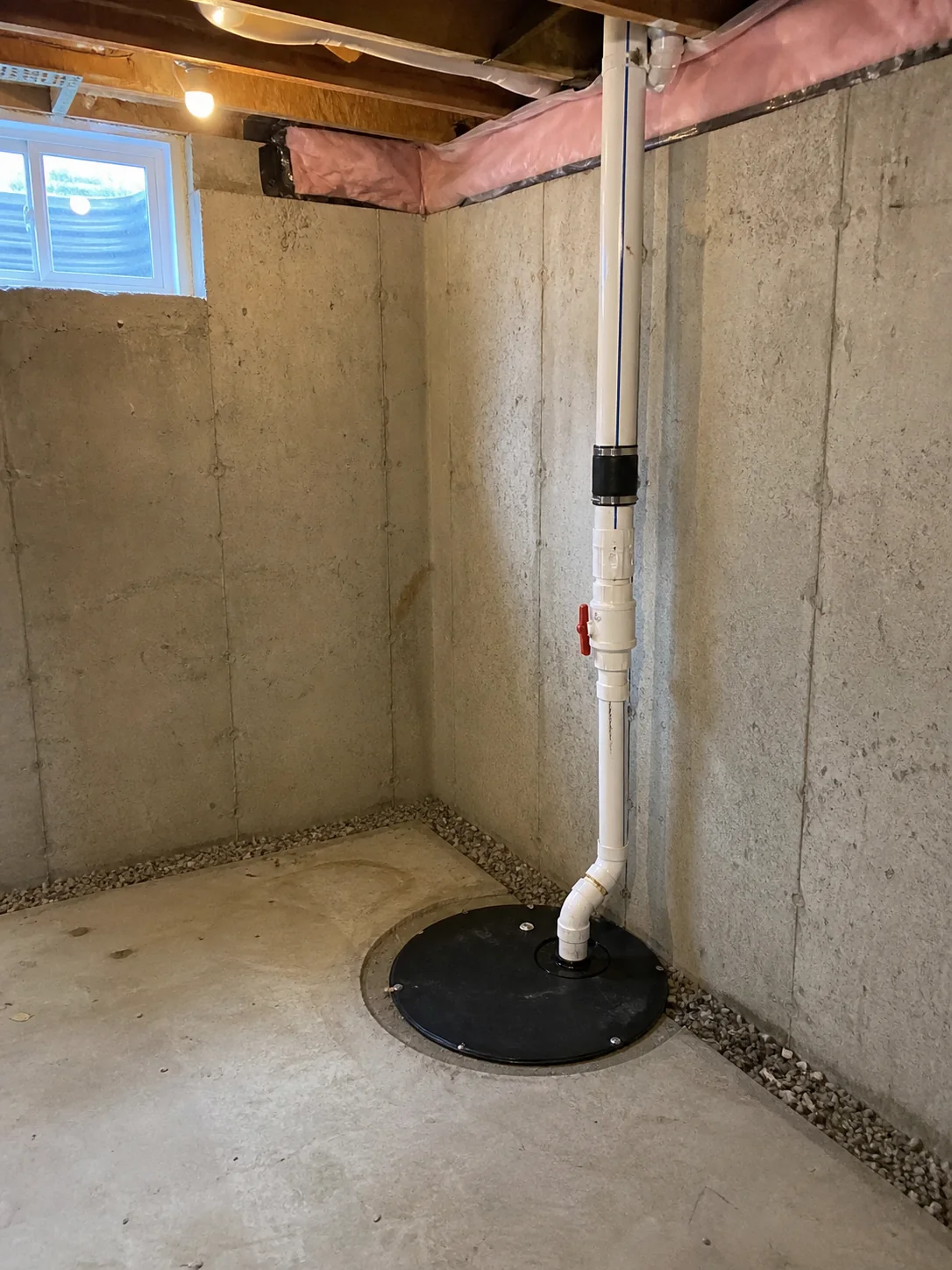 REPRESENTATIVE IMAGE / SUMPump replacement
Noise, short cycling, corrosion, a stuck float, or a pump that runs without clearing the pit are all reasons to have the entire setup checked instead of swapping only the motor.
Existing system tested first
Replacement matched to the pit and lift
Old controls and check valve reviewed
+Pump hums but water remains
+Frequent cycling
+Visible rust or damaged cord
+Unknown pump age or service history
Take photos when it is safe. Never enter water near electrical equipment.Check the float, pump, check valve, power, and discharge.
Compare repair, replacement, and backup choices without pressure.
Run a full water test and provide basic care instructions.
Specific product, warranty, price, and schedule details are confirmed in the written scope.
That is the purpose of the basement assessment. The visible leak is not always the source, so the assessment looks at drainage, grading, foundation entry points, the sump system, and when the problem occurs before a repair is recommended.
Yes. The proposed repair should identify the area being addressed, the system or materials recommended, what is included, and any warranty terms. Final warranty details must be confirmed by the business owner before publication.
Yes. Photos of the leak area, foundation wall, sump pit, discharge line, and the outside grade can help the assessor prepare, but an on-site visit may still be needed to identify the cause.